When planning a celebration, one miscalculation can quietly unravel the evening’s rhythm: running out of champagne glasses. A standard 750ml bottle yields only five to six full pours - barely enough for a fleeting toast. Overlook this, and guests may find themselves waiting, glasses empty, while the host scrambles. Get it right, and every moment feels seamless, elevated, intentional.
Essential glassware ratios for seamless entertaining
Calculating the bottle-to-glass ratio
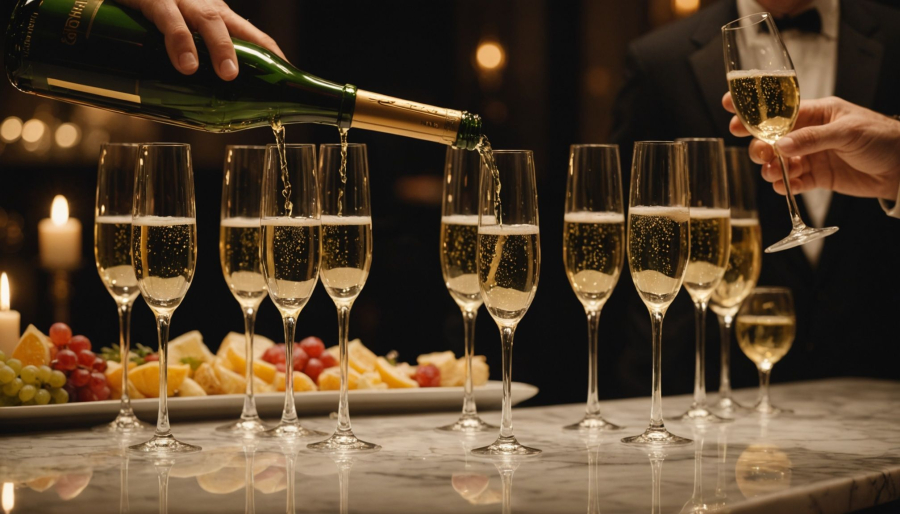
A standard 750ml bottle of champagne serves approximately five to six glasses, assuming a pour of 125-150ml. This isn’t just about volume - it’s about pacing. Serve too much too early,
and the energy fizzles. Serve too little, and the mood stalls. The ideal pour fills the flute just below its widest point, preserving the wine’s temperature and carbonation. For those seeking the ultimate tactile and visual experience, choosing a hand-craftedcrystal champagne glass ensures that every bubble and golden hue is perfectly highlighted.
Adjusting for party duration and guest count
How much you need depends on the event length and guest flow. For a two-hour gathering, plan for two glasses per person in the first hour and one additional glass per hour after. This accounts for lingering guests and repeat toasts. Industry professionals often recommend adding a 20% buffer to account for breakage, misplacement, or spontaneous refills. A single broken stem shouldn’t disrupt the evening - anticipation is part of the art of hosting.
| Guest Count | Recommended Bottles (2-hour event) | Total Glassware Needed (incl. extras) |
|---|---|---|
| 10 | 3 | 24 |
| 20 | 6 | 48 |
| 50 | 15 | 120 |
| 100 | 30 | 240 |
Selecting the right vessel for the vintage
The timeless appeal of champagne flutes
The slender silhouette of a champagne flute isn’t just elegant - it’s functional. By minimizing the wine’s surface area, it slows the release of carbon dioxide, preserving the effervescence from the first sip to the last. This makes flutes ideal for toasts and seated dinners where the focus is on taste and refinement. The vertical profile also makes them practical for tray service, reducing the risk of spillage during circulation.
Coupes and the art of the champagne tower
The coupe, with its wide, shallow bowl, carries a sense of vintage glamour. It’s the glass of choice when spectacle matters - think champagne towers at weddings or jubilant New Year’s Eve displays. However, its broad surface accelerates bubble dissipation, making it better suited for short sips than prolonged tasting. While less efficient in volume retention, its theatrical presence can elevate the entire atmosphere of an event.
Modern glass capacity and pouring etiquette
Contemporary designs often feature larger bowls, allowing the wine to open up and express its aromatics. But with more space comes responsibility: overfilling warms the champagne too quickly. The half-fill rule is widely observed in professional settings - it maintains the wine’s chill and allows room for swirling without spillage. This subtle discipline ensures the drinker experiences the champagne as intended: crisp, cool, and vibrant.
Logistics of the perfect celebratory toast
Preparation and chilling requirements
Champagne should be served between 8 and 10 degrees Celsius - cold enough to preserve its sparkle, but not so cold that it numbs the palate. The glasses, however, should remain at room temperature. Chilling stems too much can cause condensation, clouding the clarity of fine lead crystal and dulling its brilliance. This detail matters most with high-end pieces, where light refraction is part of the sensory experience.
Tray service vs. self-service stations
Tray service offers control and elegance. A server can manage pour size, reduce waste, and ensure every guest is served promptly. It’s the preferred method for formal events. Self-service stations, on the other hand, invite exploration - perfect when offering multiple vintages or sparkling varieties. But they require thoughtful placement and frequent replenishment. For large gatherings, a hybrid approach often works best: flutes served by staff, with additional bottles available for guests who wish to refill.
The host's checklist for sparkling wine service
Assessing your storage and cleaning capacity
Before committing to a large number of stems, consider your post-event logistics. Can your dishwasher handle delicate crystal, or will handwashing be necessary? Residue, especially from detergent, can distort the taste and cloud the appearance. High-quality glassware rewards care - it’s designed to last decades, not disappear after a single use.
Managing rentals versus ownership
For occasional hosts, renting is practical. But for those who entertain regularly, investing in a core collection of 12 to 24 exquisite pieces signals a deeper commitment to the art of entertaining. Owning hand-finished crystal isn’t just about utility - it’s about cultivating a tradition. Each piece becomes a vessel for memory, passed down or reused for milestone moments.
Backup supplies and safety margins
Always keep a small reserve - both of champagne and clean glasses - tucked away. Late arrivals, unexpected guests, or a few too many breakages shouldn’t compromise the standard of hospitality. Having spare, chilled flutes ready ensures the experience remains consistent from the first toast to the final farewell.
Maintaining the excellence of your glassware collection
Cleaning techniques for maximum brilliance
The key to pristine crystal is simplicity. Warm water and a soft, lint-free cloth are often all that’s needed. Avoid harsh detergents that leave a film. For stubborn fingerprints, a professional trick is to use a steam wand - not for coffee, but for vapor - which lifts oils without abrasion. This preserves the hand-cut excellence of the glass, ensuring its facets catch light just right.
Storing stems to prevent chipping
Store flutes upright in a dedicated cabinet, if possible. Stacking or placing them rim-down traps stale air and invites dust. It also increases the risk of chipping - a single nick on the rim can ruin the balance of the glass. Proper storage isn’t just practical; it’s a ritual that honors the craftsmanship.
Recognizing quality in hand-finished pieces
True heritage craftsmanship reveals itself in subtle details: the clarity of the crystal, the precision of the cuts, the faint ring when gently tapped. These aren’t mass-produced items - they’re expressions of centuries-old techniques. Holding one, you’re not just serving champagne; you’re continuing a lineage of excellence that transforms a simple drink into a sensory experience.
Common Questions
I once hosted a wedding where 20% of the flutes were left half-full; how do I prevent this waste?
Opt for slightly smaller pours - about 100ml instead of 150ml - and ensure the champagne stays well-chilled. Warmer wine loses its fizz faster, discouraging guests from finishing. Smaller, cooler pours are more inviting to drink completely, reducing waste without sacrificing elegance.
Can I use the same glass for a vintage Champagne and a Prosecco during the same event?
Yes, but consider the wine’s character. Flutes work well for both, but finer vintage Champagnes benefit from a more tapered shape to preserve delicate bubbles. Prosecco, with its fruitier profile, can shine in a slightly wider bowl. Using the same glass simplifies service, but slight variations in shape can elevate each experience.
What should I do if a guest breaks a high-end crystal stem during the party?
Discreetly remove the pieces, offer a replacement glass immediately, and reassure the guest it’s no concern. Have a small reserve of clean stems nearby for such moments. The goal is to maintain the flow of the event - a broken glass shouldn’t become a focal point.
How long should I wait to polish the glasses after the celebration ends?
Rinse glasses immediately after use to prevent wine stains and sugar residue from setting in. Polishing can wait, but rinsing should be prompt. This simple step preserves the crystal’s clarity and makes deep cleaning easier later, ensuring the glasses remain brilliant for years.
